Where Care Becomes Community
 If there’s one thing that working in the voluntary sector consistently demonstrates, it’s that strong communities don’t appear by accident – they grow because ordinary people take an interest in their community and their environment.
 If there’s one thing that working in the voluntary sector consistently demonstrates, it’s that strong communities don’t appear by accident – they grow because ordinary people take an interest in their community and their environment.
Community action isn’t only about grand campaigns or high-profile volunteering; it’s also, maybe much more often, the small, steady acts of neighbourliness that weave the social fabric we all rely on.
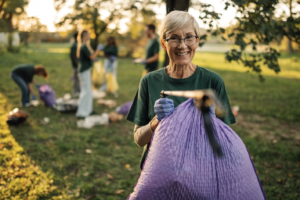
At its heart, community action is about being present and engaged. It’s choosing to notice what’s happening where you live, to care about it, and to believe that your voice – and your effort – matters. And it really does matter. When you join a local litter pick, attend a residents’ meeting, help shape a community garden, or even just check in on a neighbour, you’re strengthening the community you are a part of. You’re helping to create places where people feel connected, supported, and safe. And this is much more effective and powerful than any legislation or national initiative.
Across our district, countless opportunities exist for people to get involved. Some are practical: helping at food banks, supporting youth clubs or community centres, or joining environmental clean ups in parks, along pavements, and in other local green spaces. Others focus on shaping change: joining a local group that aims to improve the local environment or offer new opportunities to local people, or participating in consultations. Community action can be cultural too – helping to organise a festival, preserving local heritage, or joining a choir or craft group.
What’s often overlooked is how much you, yourself, can gain from taking part. Being active in your community offers a sense of purpose that many people say modern life lacks. It builds confidence, offers opportunities to learn new skills, and opens doors to friendships that might otherwise never have been formed. Studies consistently link community engagement to improved wellbeing; there’s something powerful about feeling you belong to something larger than yourself.
Many people these days report feeling lonely or disconnected. Community action might be one of the most effective antidotes we have. When you play a part in your community, you’re not just improving streets or services, you’re enriching your own life.
So perhaps the question shouldn’t be “why get involved?” but “why not?” Communities, and individuals, thrive when people care. And that begins, very simply, with you.