Standing in Solidarity


Our aim was to create a safe and inclusive space that recognised the overlapping ways discrimination and exclusion are experienced, particularly by young people and those working on the frontline of youth and community services.
Purpose
The Solidarity Meeting was designed to:
- Create a safe, inclusive space for connection and solidarity
- Listen to and acknowledge lived experiences across the youth and community sector
- Share and strengthen existing local, regional and national work
- Explore ways to challenge misinformation and harmful narratives, particularly online
- Identify practical actions participants could take back into their own organisations
Belief
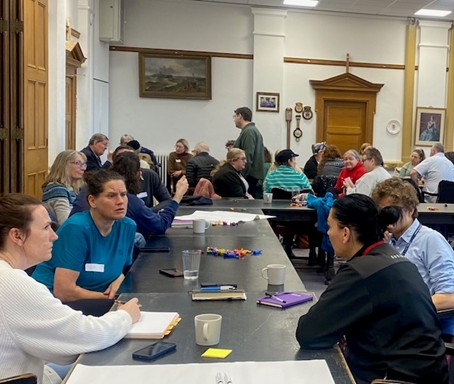
We were overwhelmed by the fact that over 40 partners attended and actively engaged in the event, clearly demonstrating the need for open discussion on this important subject. Participants shared a strong belief that communities are more resilient and effective when they act together, and the event provided an opportunity to connect, listen, and identify collective next steps.
The discussion was grounded, reflective and forward-looking. The openness, honesty and experience shared by participants demonstrated a strong commitment to strengthening support for communities across the district.
Key Themes
Participants identified a shared need for more inclusive spaces where people from different backgrounds can mix, learn from one another and build emotional intelligence. Emphasis was placed on reducing segregation, actively connecting networks, and creating welcoming community environments with a clear sense of purpose. Training emerged as a priority, particularly around challenging discriminatory language, unconscious bias, and developing confidence to address harmful behaviour in safe and constructive ways.
Media literacy and digital awareness were highlighted as critical, especially in response to misinformation, algorithms and polarising content on social media platforms. Participants stressed the importance of equipping both young people and Youth Workers with skills to question content, challenge myths, and create positive counter-narratives through creative and digital approaches.
There was strong agreement around shared values, including kindness, empathy, curiosity, mutual respect, inclusion, integrity and cultural humility. Participants emphasised the importance of being non-judgemental while remaining brave enough to challenge unacceptable behaviour, and of listening actively rather than reacting from fear.
Making a Difference
Examples of effective practice included inclusive youth spaces, unity champions in schools and communities, media literacy workshops, empathetic challenge, and strengths-based approaches that build pride, belonging and connection.
Participants shared ideas for future collaboration, including youth-led storytelling projects, community “listening” initiatives, shared pledges, solidarity forums, creative arts projects, and small grants to support youth-led action.
Next Steps
The meeting reinforced the need for collective, consistent messaging, coordinated outreach, and stronger links between community work and education settings. Participants agreed on the value of continuing these conversations and turning shared learning into action.
Get in touch
The next Standing Together meeting will take place on Wednesday 28 January, 9:30am–11:30am (venue to be confirmed).
To get involved or for more information, please contact [email protected], [email protected], or call 01524 555900.